I was an artist for UCL in 2022-2023 as part of their cultural programme addressing legacies of eugenics ‘Prejudice in Power: Contesting the pseudoscience of superiority’.
I researched eugenics, disability and education within UCL’s collection and exploring what impact eugenics has had on our education system today.
Link to my research: https://jstarns.com/prejudice-in-power-contesting-the-pseudoscience-of-superiority/
Link to the UCL project: https://www.ucl.ac.uk/prejudice-in-power/
What do we mean by the word Eugenics?
- The word ‘eugenics’ was coined by Sir Francis Galton.
- It means ‘well-bred’ in Ancient Greek.
- Eugenics was believed to be a ‘trueful’ science in the early 1900s
- Most of the research was in fact fake and/or changed to support the eugenicists views and opinions.
- We now know that eugenics is a ‘pseudoscience’ which means fake science.
What do the words in the title mean?
- Prejudice means judging and making assumptions/judgements about people or groups based on stereotypes.
- Power means being able to influence other people’s thoughts and opinions.
- Contesting means challenging or questioning thoughts and opinions.
- Pseudoscience means fake science that is not supported by real facts.
- Superiority means that one person or a group of people’s thoughts and opinions are more important than others.
‘Eugenics (fake) research’ covered the following areas:
- Race
- Women/family planning
- Disability/Mental health
- Poverty/working class
- Crime
- Education/Intelligence
Impact on our education system today:
- Why we start Secondary school at age 11
- Why in some areas (and previously all areas) of the country children complete a test called the 11 plus
- Why we have different types of schools for example Secondary, Grammar, Special Educational Needs schools
- Why we have segregation in our school education system
- Why some schools are seen as ‘better than others’
- Not all learning disabled children have a say on what school they would like to attend
- How we test intelligence and diagnose
- Teachers only spending a day on SEND during their teacher training
- Relying on teachers during the pandemic to grade students work
A few artworks I created whilst exploring the archive:
BBC “Third Programme” Talk
Typescript of Penrose’s talk and discussion with Sir Cyril Burt on the BBC’s Third Programme”, entitled “Three problems: 3. Intelligence” on Saturday 11 Sep 1948.

Community group involved: ALLFIE
I worked with ALLFIE’s young people’s group ‘Our Voice’ to explore eugenics, education and the impact today within UCL’s collection. We created a collaborative artwork using AI tools.
About ALLFIE: ‘ALLFIE is a unique voice! Formed in 1990, we are the only organisation led by Disabled people focused on campaigning and information-sharing on education, training and apprenticeship issues.’ You can find more information about ALLFIE here: https://www.allfie.org.uk/about-us/
Framing Inclusion: AI art response to Burt’s Educational Standards
ALLFIE’s young people’s group ‘Our Voice’ and I collaborated to create artwork exploring AI and eugenics IQ tests. We also tested AI to see if it also had eugenicist and ableist views.
Even the title of the project was created with help from ChatGPT.
We used the following two Cyril Burt’s books ‘Handbook of Tests for use in schools’ and ‘Mental and Scholastic Tests’ as inspiration for the artwork.
Burt, C. (1922) Mental and Scholastic Tests. Available at: https://archive.org/details/mentalscholastic00burtrich/page/44/mode/2up (Accessed: 25 September 2023).
Burt, C. (1949) Handbook of Tests for use in schools. Available at: https://archive.org/details/dli.ernet.17981/page/n1/mode/2up?view=theater&ui=embed&wrapper=false (Accessed: 25 September 2023).
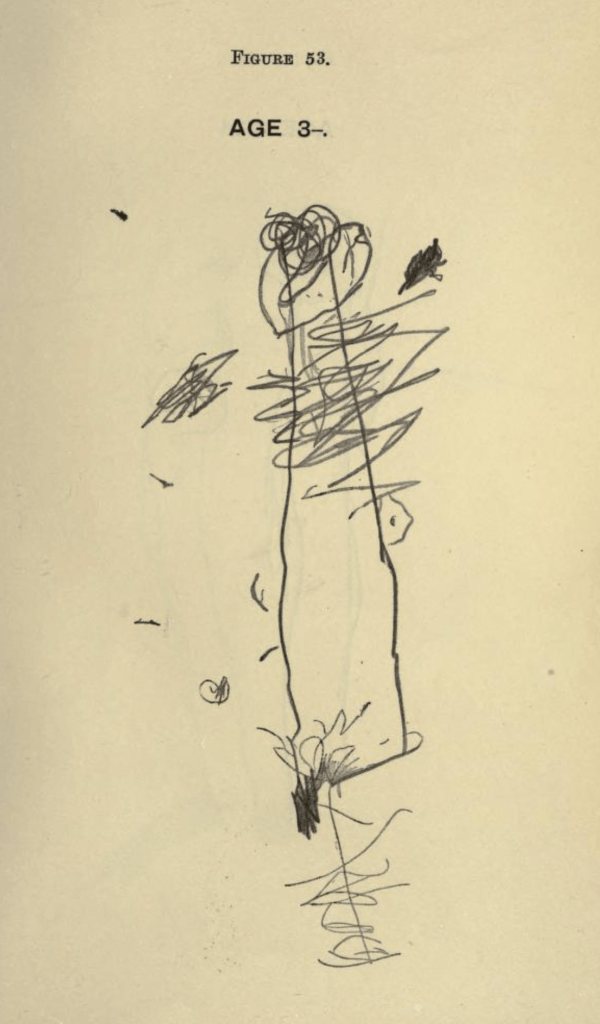
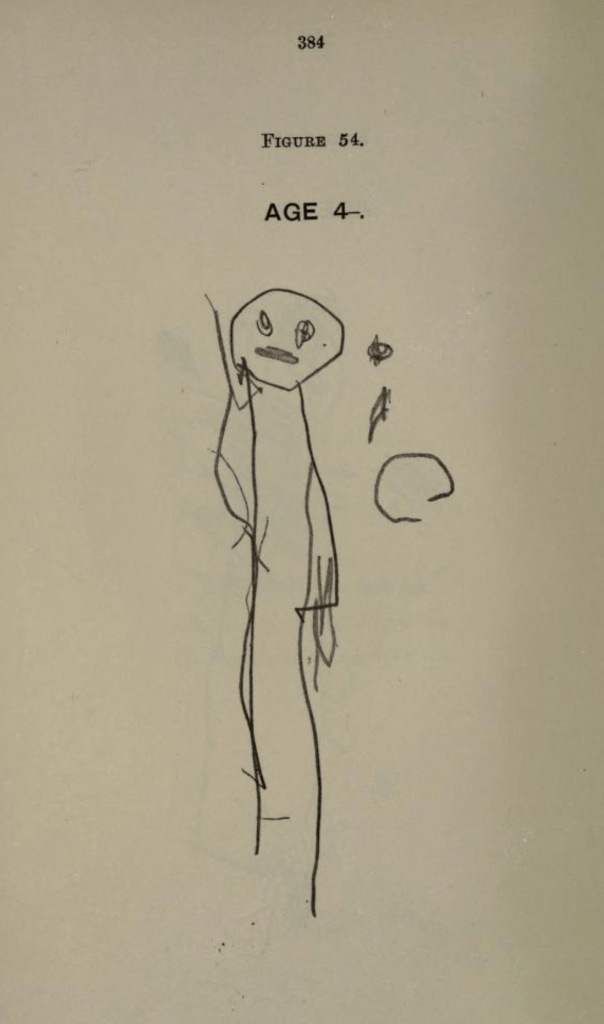
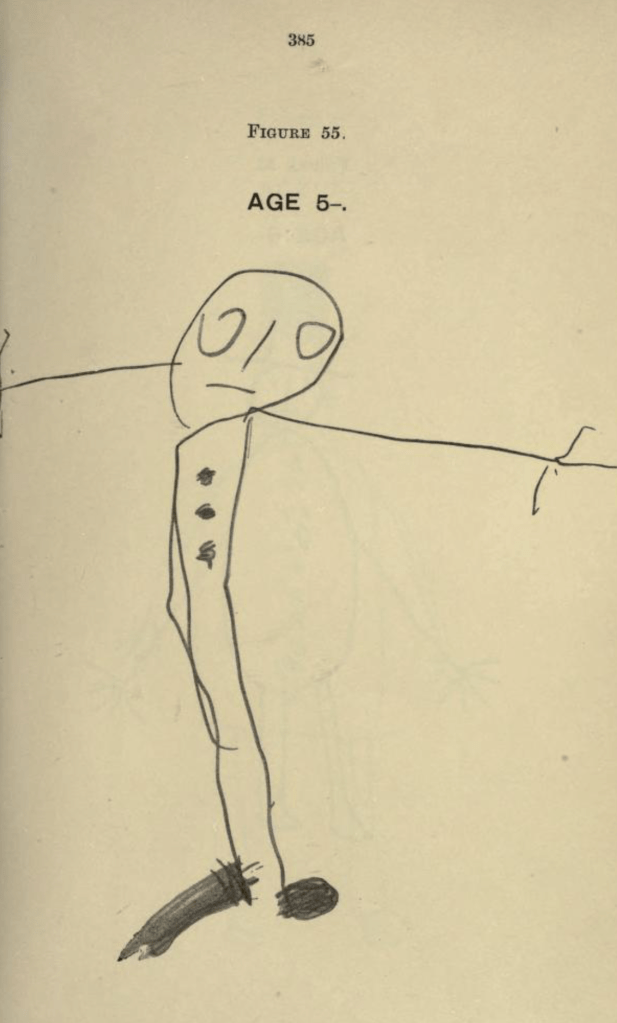
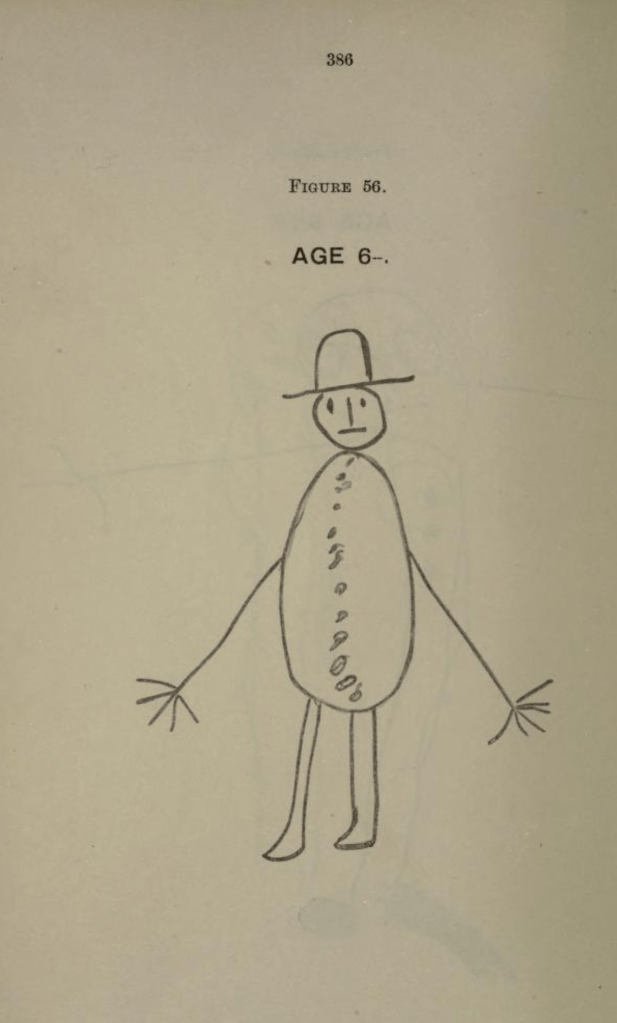

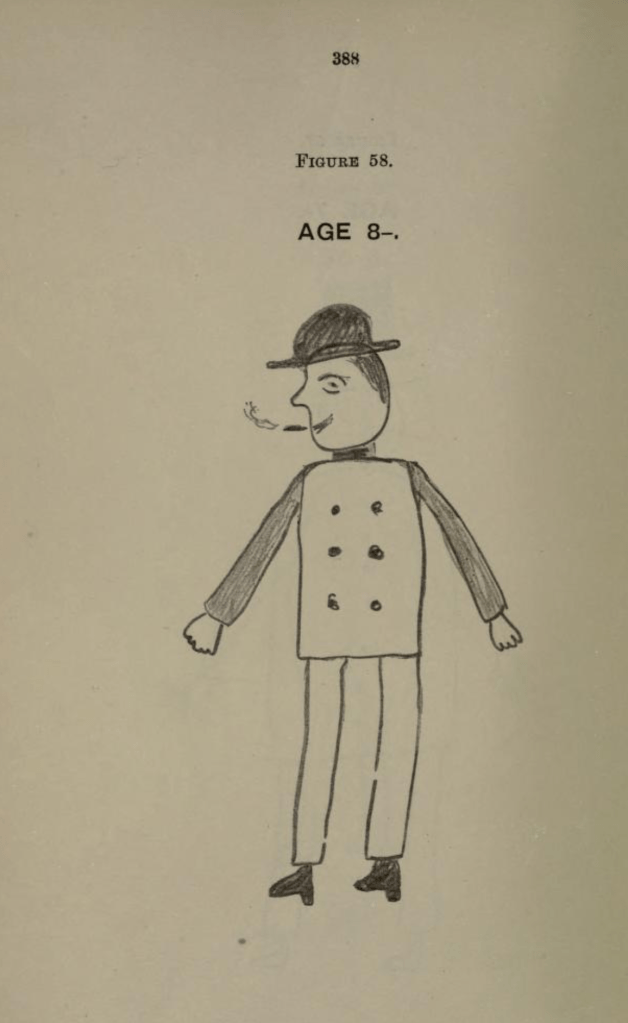
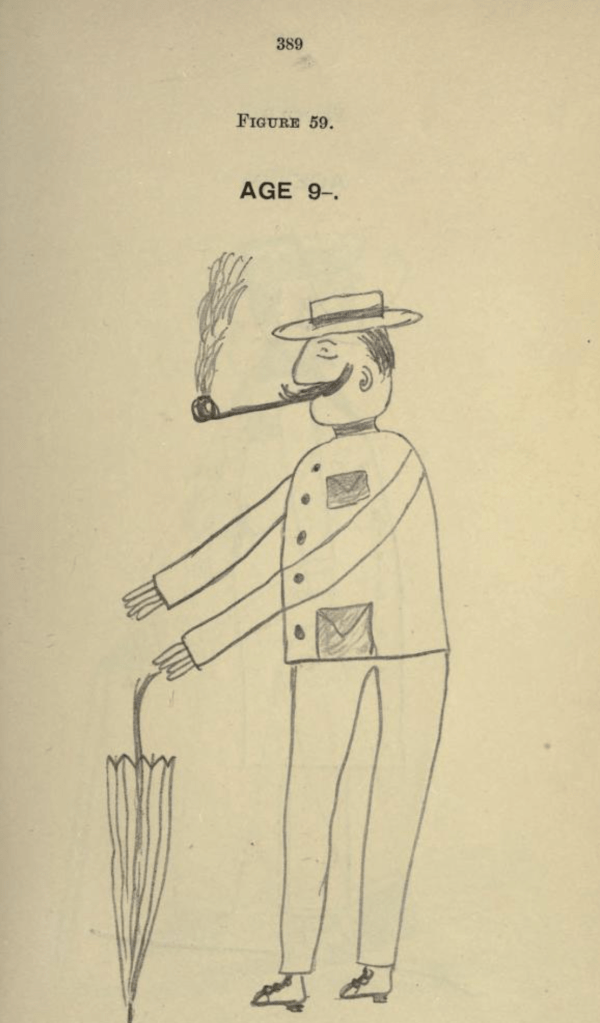
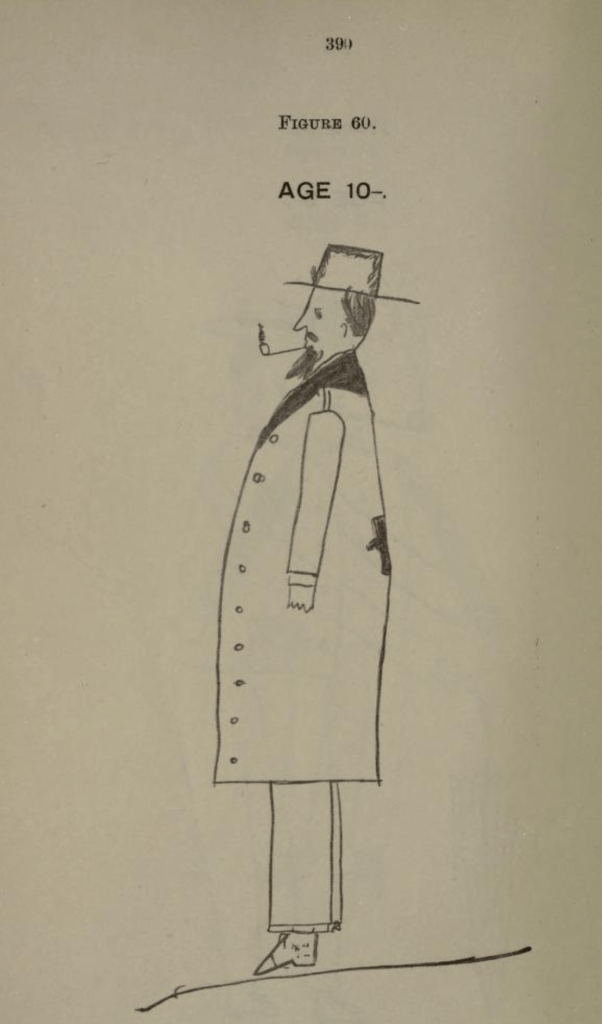
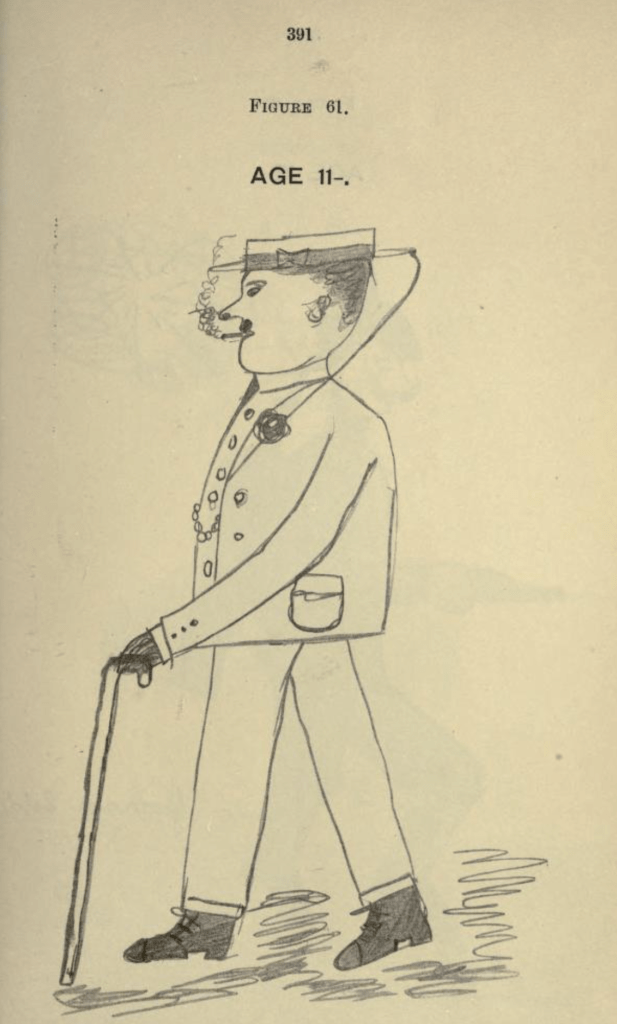


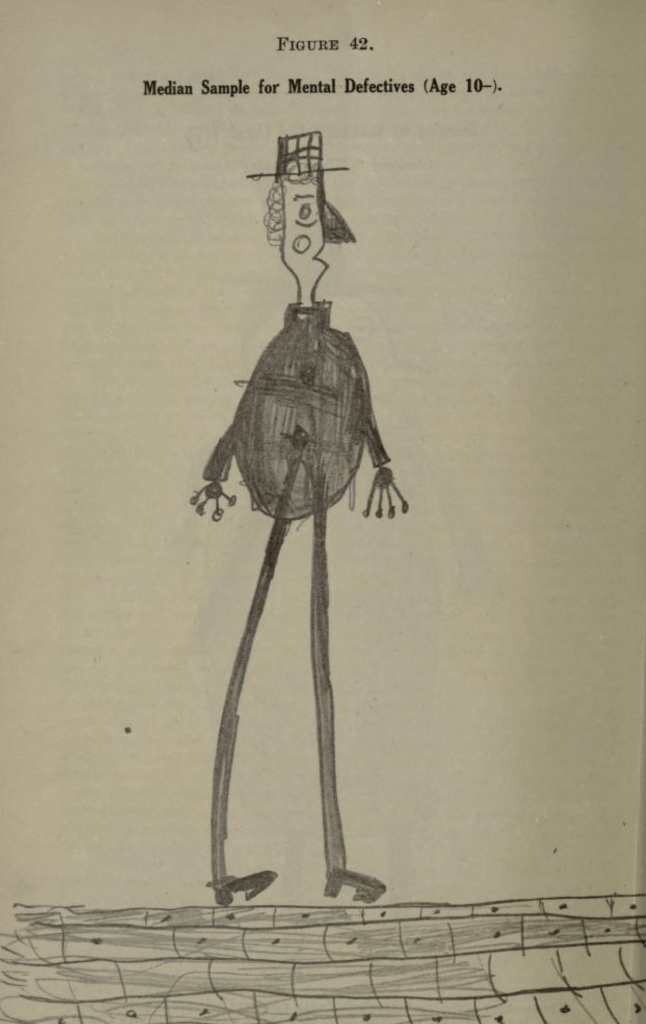
Images of children’s responses to the Draw a man test. Tested and examined by Cyril Burt.
Burt, C. (1922) Mental and Scholastic Tests. Available at: https://archive.org/details/mentalscholastic00burtrich/page/44/mode/2up (Accessed: 25 September 2023).

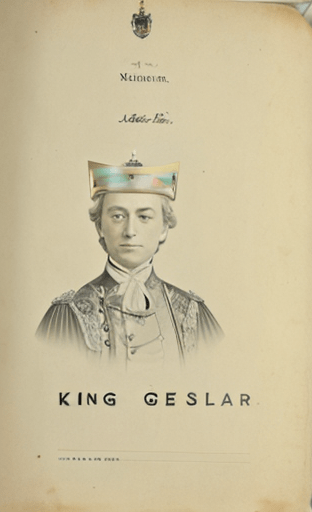
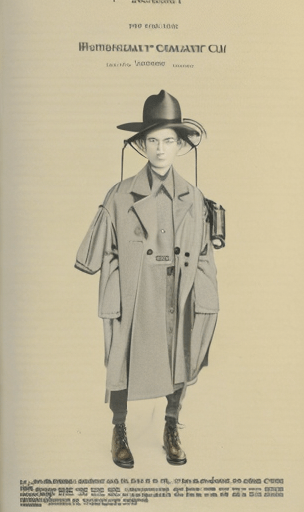

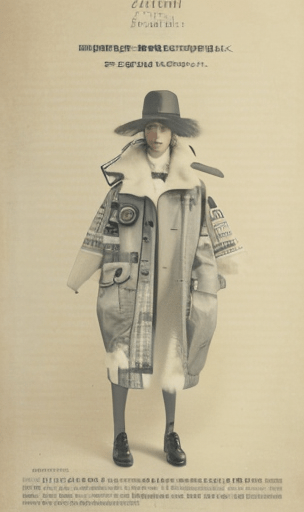
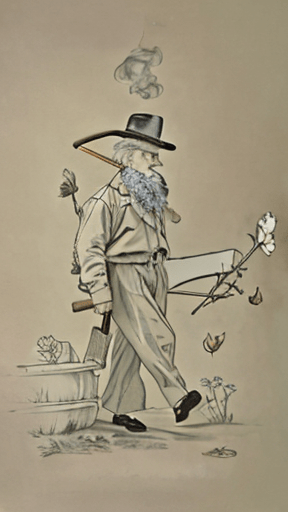


AI responses to the children’s Draw a man test.


I remember having to do the Draw a person test when I was ten years old. You do not get to keep your drawing. I vaguely remembered mine and tried to recreated it with AI.
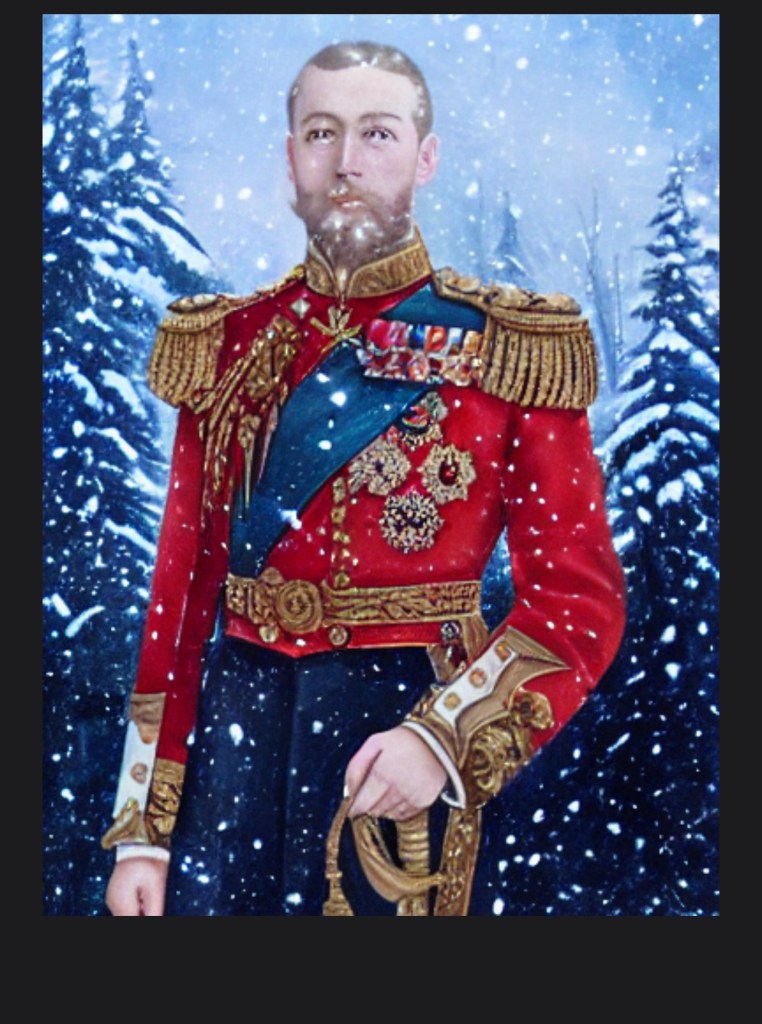


AI responses to the child’s Draw a man of King George.
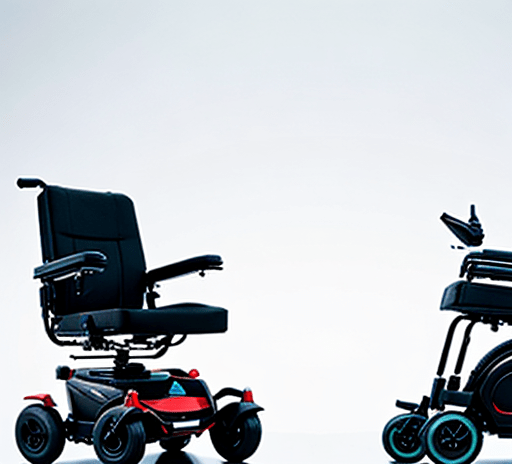

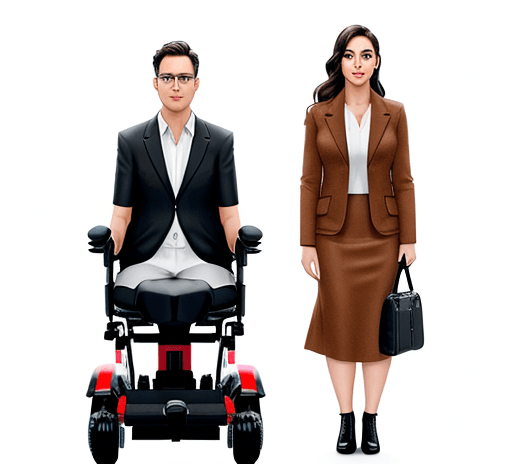
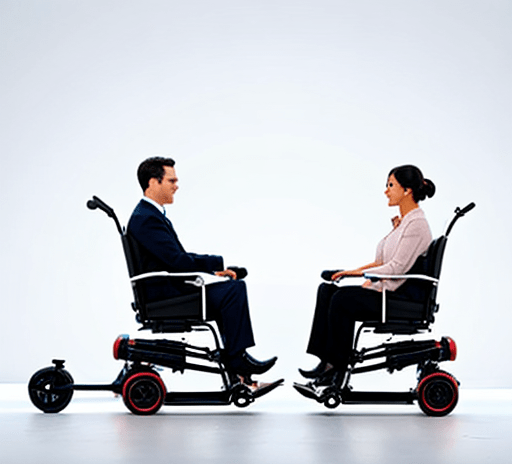



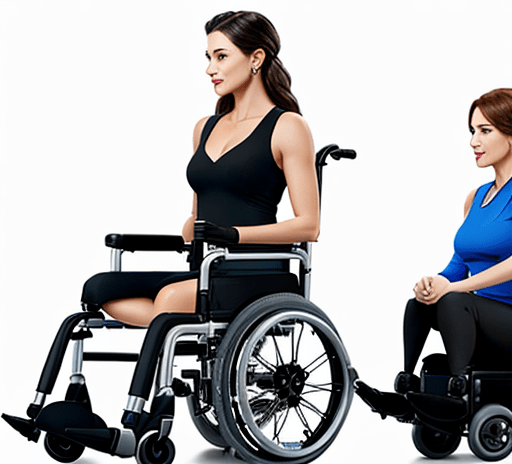

Testing AI to see if it can generate positive and realistic images of wheelchair users.
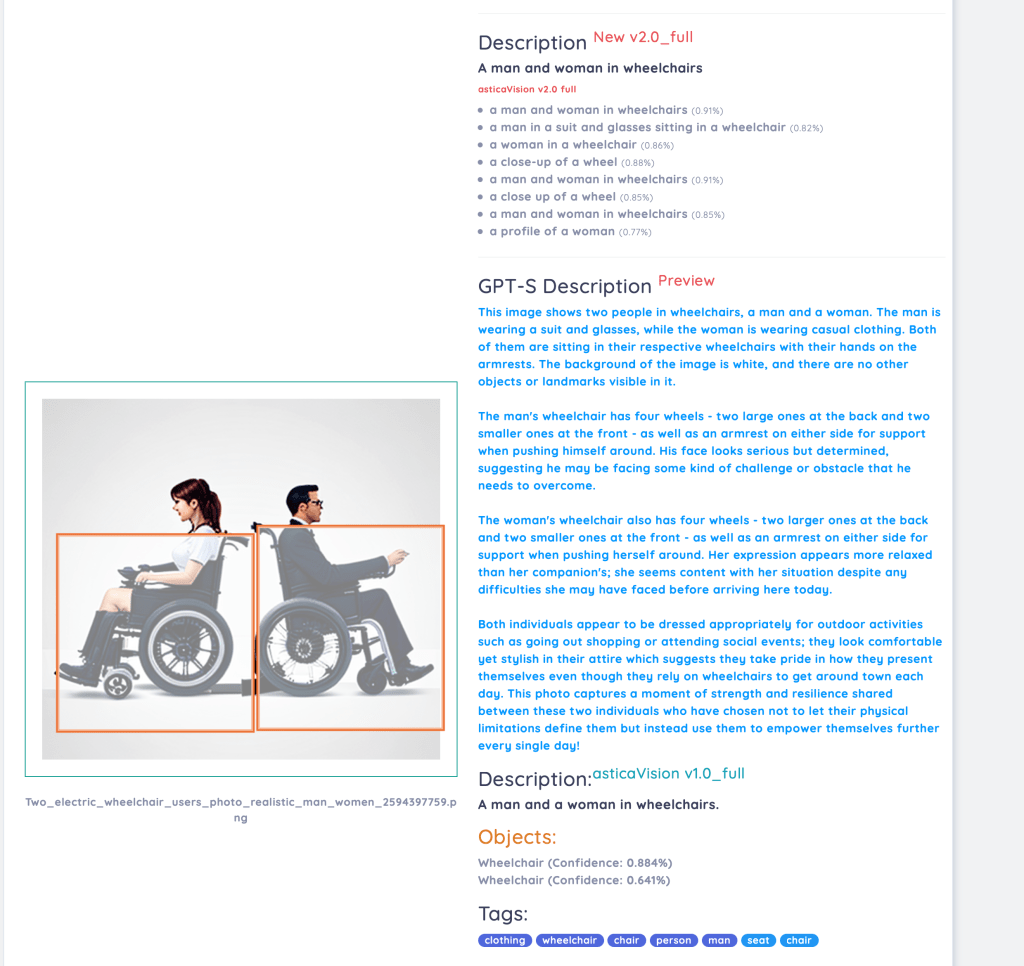
Astica vision describe to create a description of one of the AI generated images. It is very ableist.

AI being by tested one of Burt’s tests to count marbles. “A boy had 20 marbles. Afterwards he won 3 and lost 5. How many had he then?”
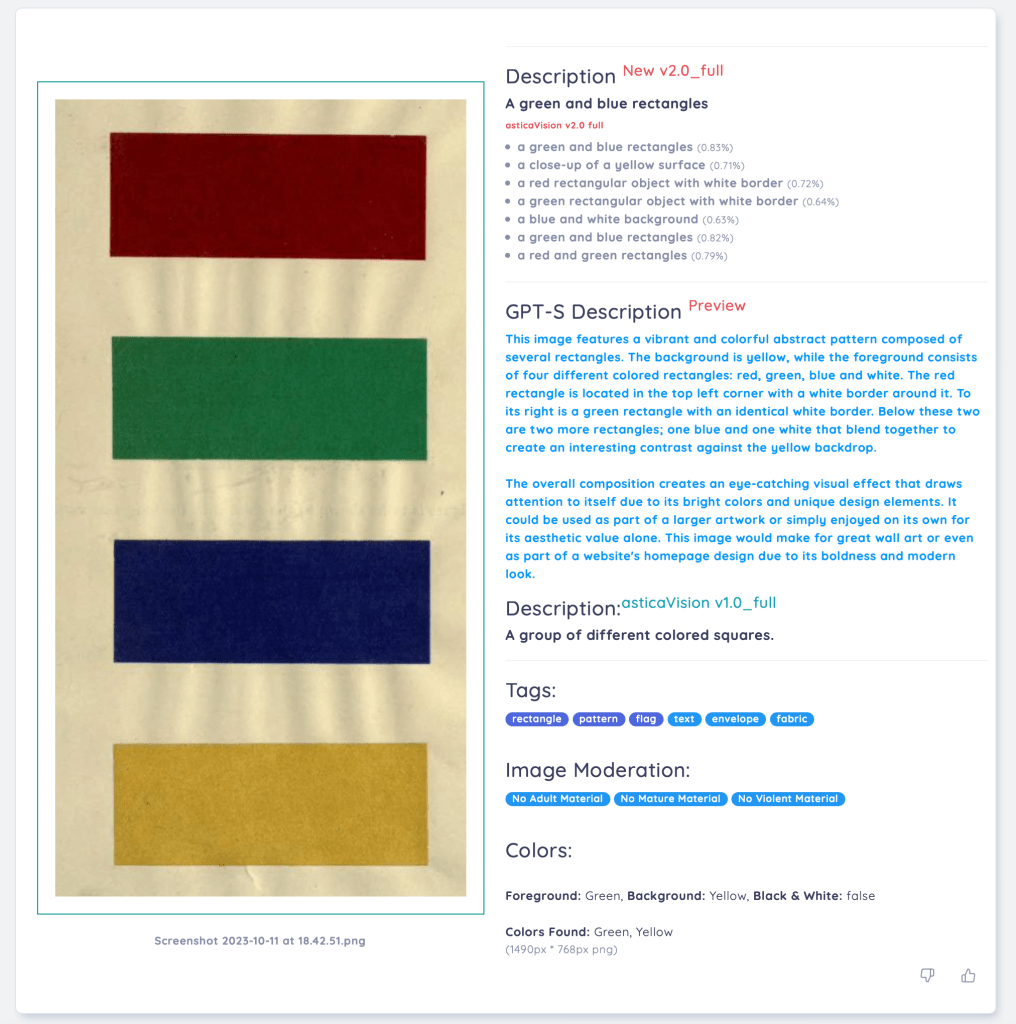

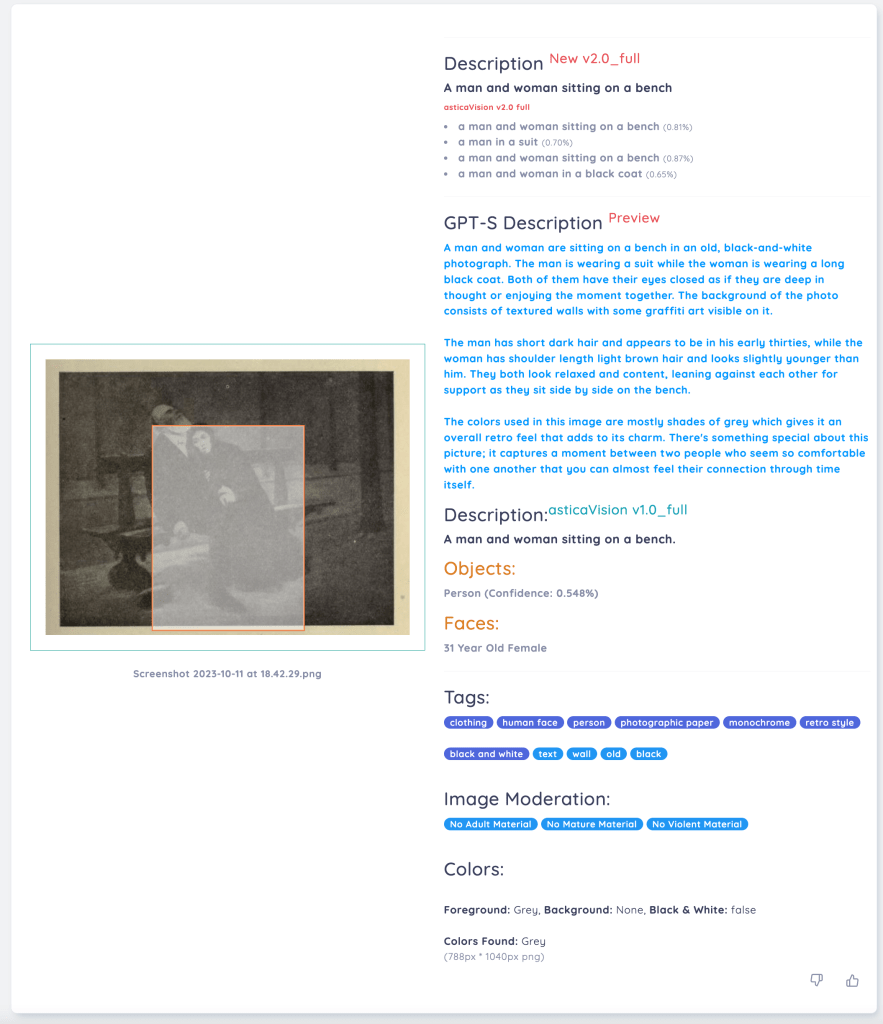
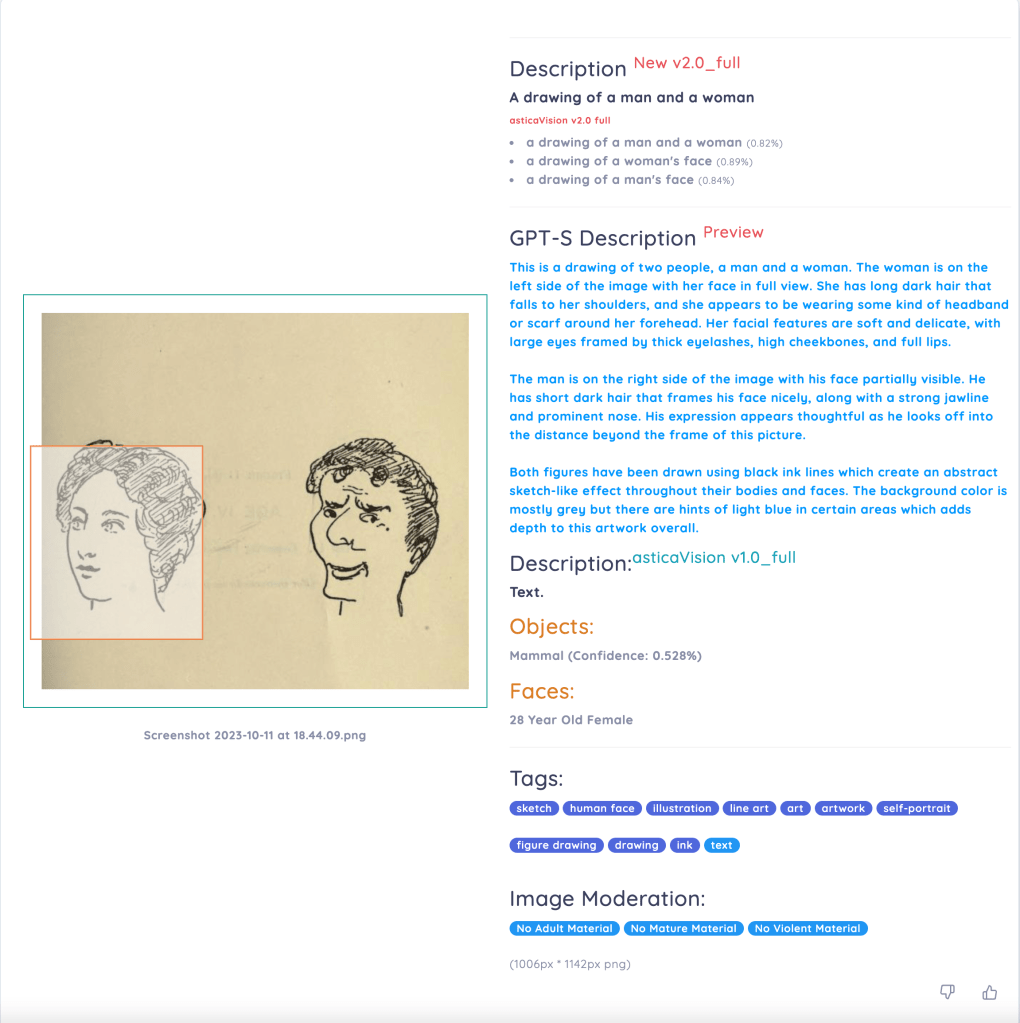
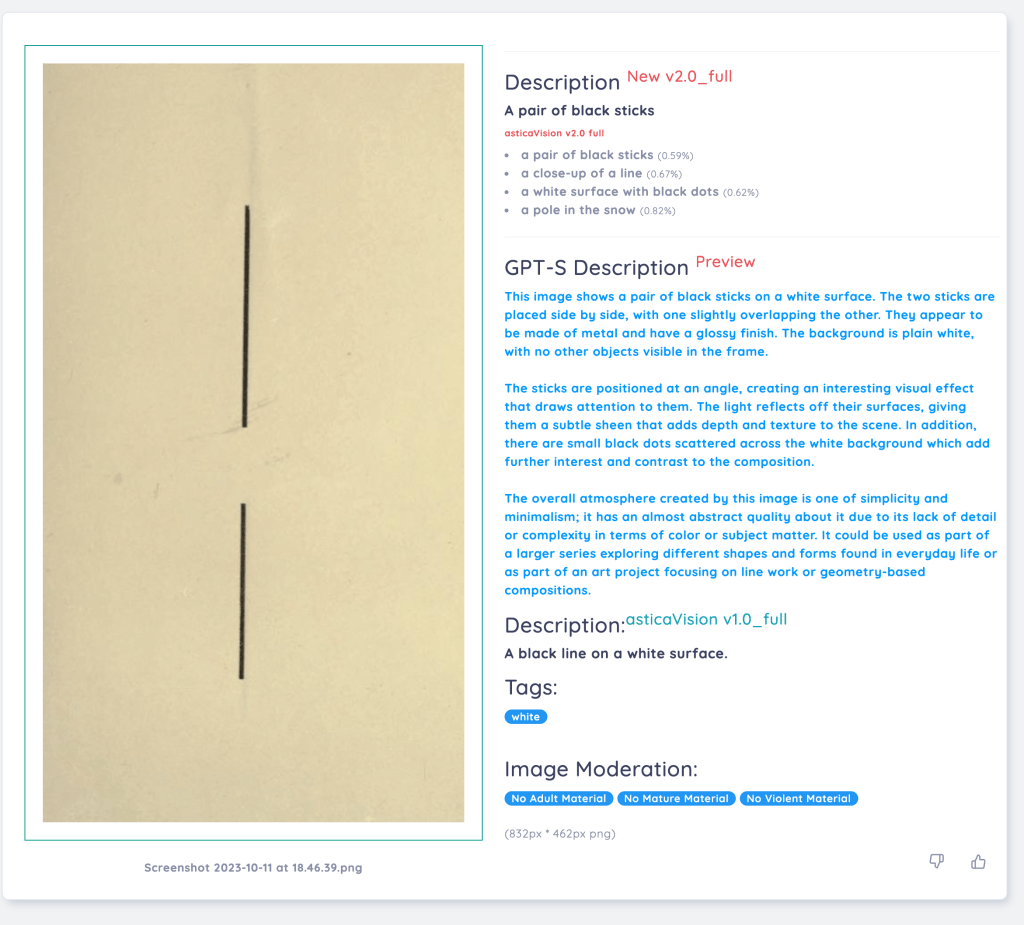
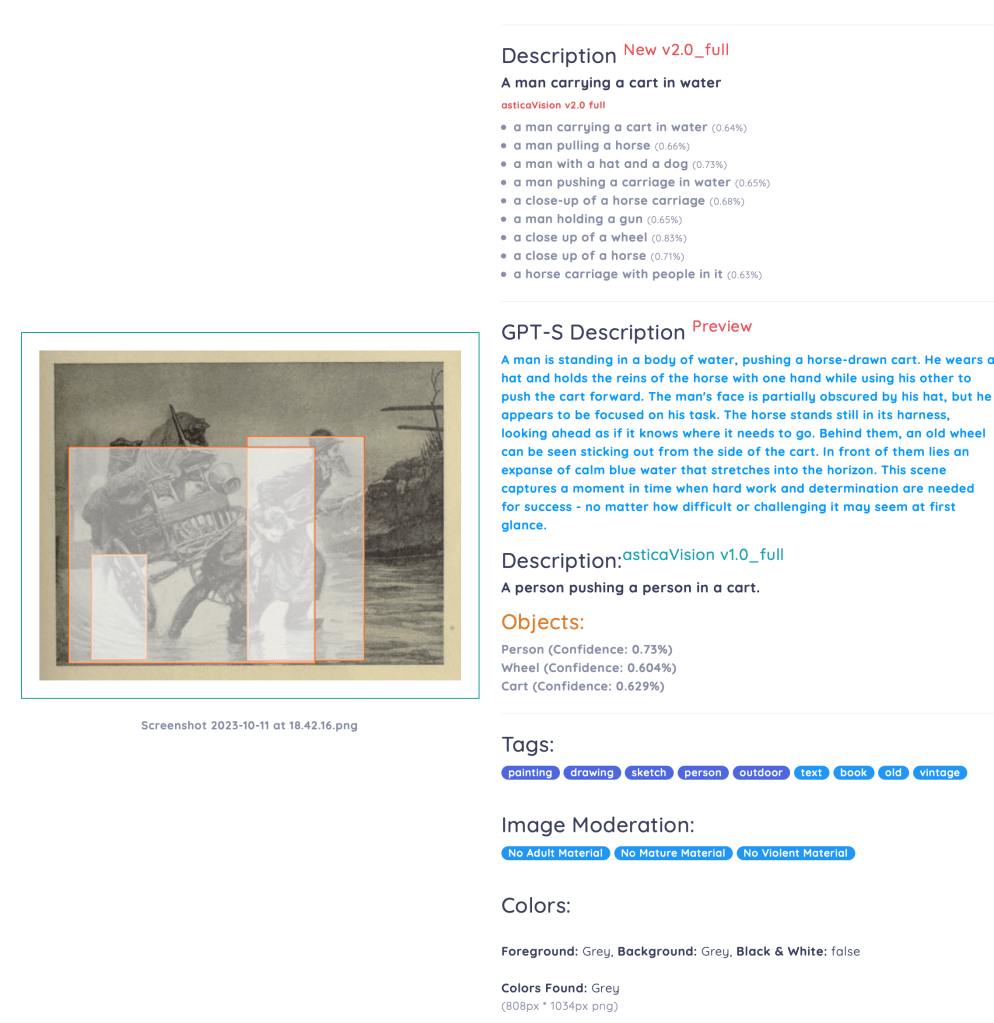
Astica vision describe to create descriptions of the images in Cyril Burt’s book

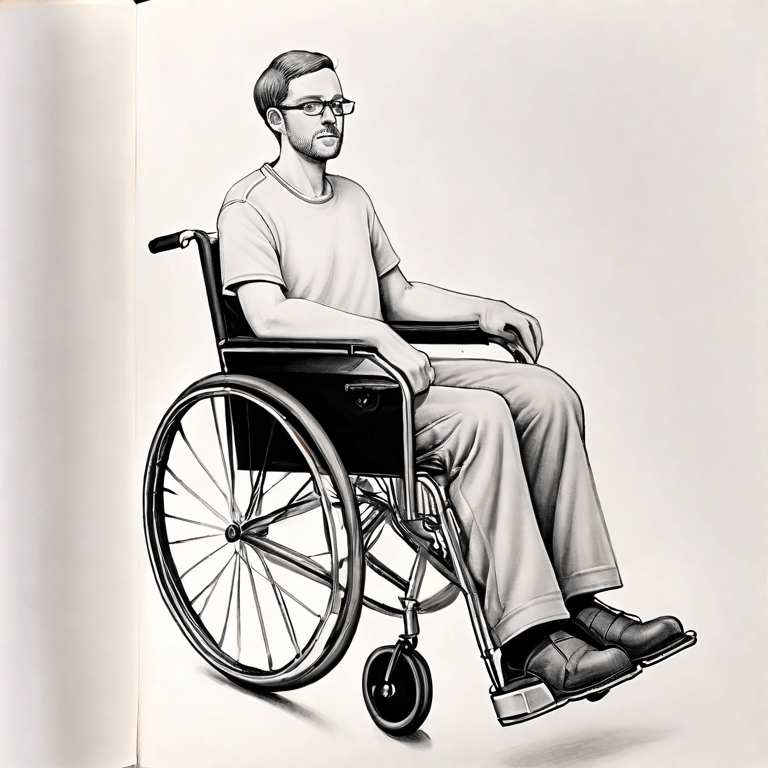
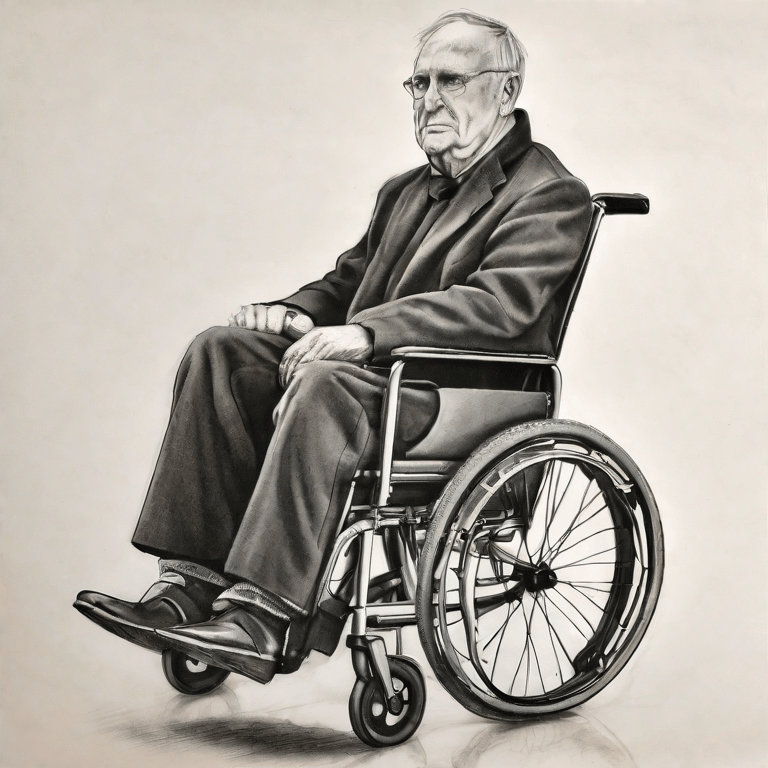
Testing AI to see if it can generate positive and realistic images of disabled people.
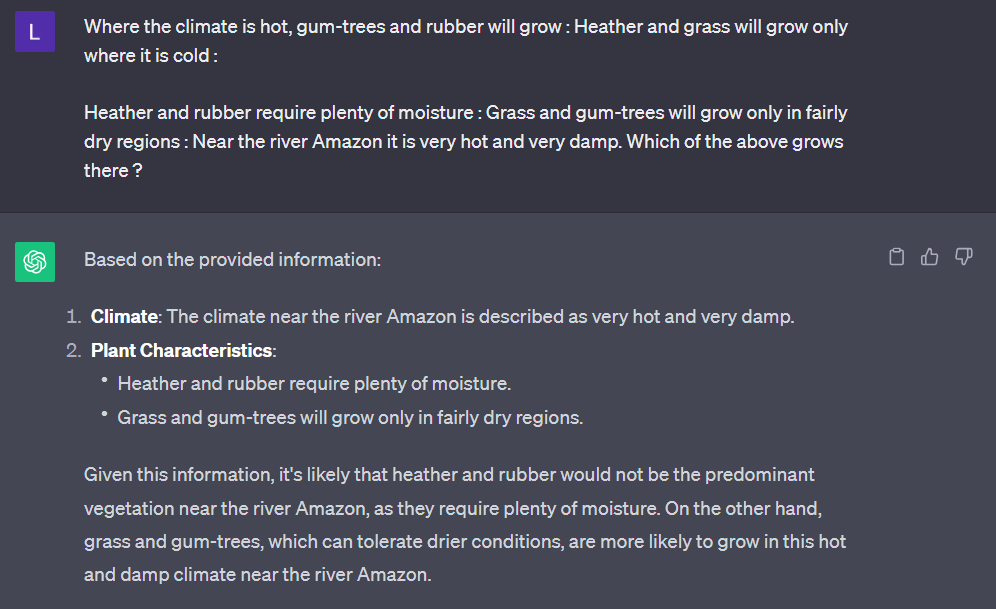
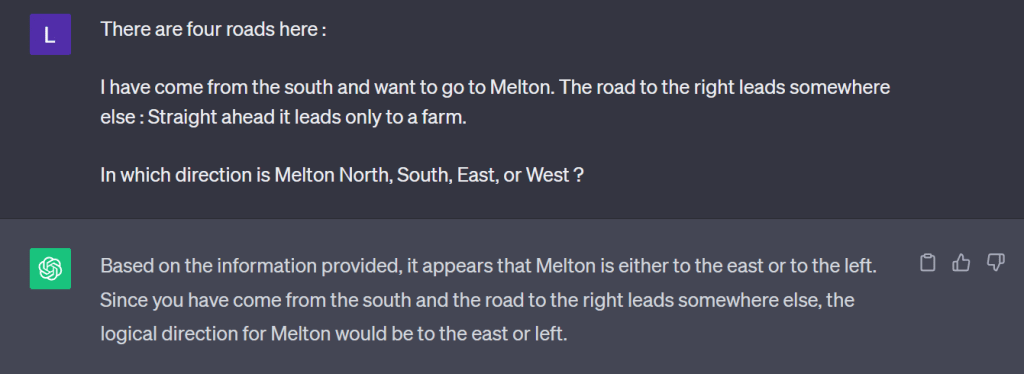
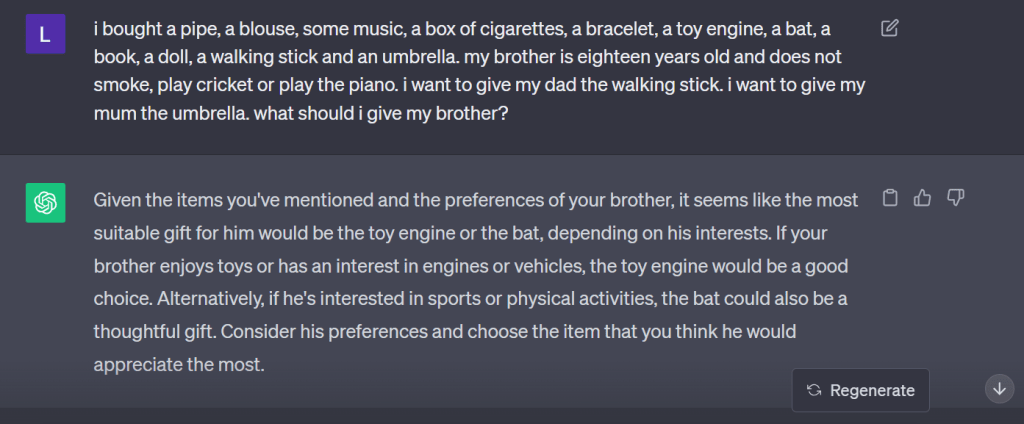
Asking AI some of Burt’s test questions.
Audio transcript (text from Burt, C. (1922) Mental and Scholastic Tests. Available at: https://archive.org/details/mentalscholastic00burtrich/page/44/mode/2up (Accessed: 25 September 2023).
Point to your nose, point to your eyes, point to your mouth. Repeat 37. Repeat 64. Repeat 72. Are you a girl or a boy? What is your name? What is your surname? What is your daddy’s name? what is your mother’s name? What is that? What is that? and what is that? Look at this picture and tell me about it? What is this? What can you see there? Isn’t it a pretty picture? What can you see there? Listen and say this after me. Father. My hat and shoes. I am cold and hungry. Here is a cloth; my hands are clean. His name is Jack; he’s such a naughty dog. It is raining outside; and Tom is working hard. We were having a jolly game; I caught a little mouse. We are going for a walk; will you give me that pretty bonnet? Mabel has just torn her frock; I have given twopence to that poor beggar. We should never be cruel to birds. It is night and we are going to bed. The other morning I saw in the street a tiny yellow dog; little Maurice has spoilt his new apron. Listen and say these numbers after me. 914, 286, 539. Do you see these pennies? Count them and tell me how many there are? Count them aloud. Count them with your finger. Do you see these lines? Which one is longer? Which is the prettier of these two faces? Which do you like the best out of these two ladies? Which one is the nice one? Do you see this key ? Go and put it on the table. Then shut the door. And after that, bring me the book that is on the chair near the door. Do you understand ? First, put the key on the table; then shut the door; then bring me the book.
I want you to copy this for me. Draw it here. What do you think this shape is? See if you can make one like it. How old are you? Is it morning or afternoon now? Is it afternoon or morning now? Have you had your dinner yet? What will it be after tea? What colour is this? What colour is this? What colour is this? What colour is this? Listen, and say these numbers after me. 3681, 5749, 8562. You see these boxes? which one is heavier? Take them in your hands and weigh them. How many fingers have you on your right hand? And how many on your left hand? How many does that make on both hands together? Now I want you to copy this for me. Will you copy that for me? Can you tell me what are the days of the week? What coin is this? what is this? what is this? what is this? One of my cards has been cut in two; can you put the pieces together again to make a whole one like this? What is a horse? What is a chair? What is a mother? What is a school? What is a soldier.? What is a table? What is a doll? What is a baby? What is a fork? What is a spoon? Listen and say these numbers after me. 52947, 63852, 97218. Show me your right hand? Show me your left ear? Look at this face. Can you tell me what has been left out? What has been left out here? Count this money for me; and tell me how much there is altogether. You know what a butterfly is, don’t you? And you know what a fly is? They are not the same are they? In what way are they not the same? What is the difference between a fly and a butterfly? What is the difference between wood and glass? What is the difference between paper and cardboard? Will you write this down for me on this piece of paper? The pretty little girls.
Will you read this for me please? Tell me what you have been reading about. Tell me this. Suppose you have to go somewhere by train. What must you do if you miss the train? What ought you to do, if you broke something that belonged to somebody else? If one of the other boys or girls hit you by accident, without meaning to, what should you do then? You can count, can’t you 1, 2, 3, and so on? Now, do you think you could count backwards? Start at 20 and go on until you reach 1. Count like this : 20, 19, 18. Now, shall we play at shop for a change? You shall be the shopkeeper. Here are some boxes for you to sell and here is your cash. See how rich you are. Now will you sell me one of your boxes? How much are they each? Twopence, shall we say? Well, here is the money. Can you give me the right change, please? Listen, and say these numbers after me. 250364, 853916, 471582. Can you tell me all the months of the year? What coin is this? What is this? What is this? What is this? What is this? What is this? What is this? What is this? And what is this? Do you see these boxes? They all look the same. But they don’t weigh the same. Some are heavy and some are light. I want you to find the heaviest and put it here. Then find the one which is a little less heavy, and place it next; then the one which is still less heavy; then the one which is lighter still and last, the one which is lightest here.
I want you to make up a sentence for me with these three words in it London, river, money. London, river, money. Write a sentence containing those three words. There are two easy drawings on this card. I want you to look at them very carefully until I take them away; and then try if you can draw them both from memory on this paper afterwards. You will only see them for a very few seconds. Now look at them both carefully first of all. Ready? Now! Now try and draw them for me here. Listen carefully to what I am going to say. There is something in it that is really quite silly and impossible. See if you r can tell me what is wrong. One day, a man fell off his bicycle on to his head; and was killed instantly. He was taken to the hospital; and they fear he may never get better. What is there silly in that? I have three brothers Jack, Tom, and myself.’ What is silly in that? Yesterday there was a railway accident; but it was not a serious one. Only forty-eight people were killed.’ What is silly in that? Once the body of a poor girl was found in a wood, cut into eighteen pieces. They say that she killed herself.’ What is silly in that? A man once said : If I should ever grow desperate and kill myself, I shall not choose a Friday to do it on; for Friday is an unlucky day, and would bring me bad luck. What is foolish in what the man said? Can you tell me this? What should you do if you found you were late on your way to school?
If someone asked you what you thought of a boy or of a girl whom you did not know very well, what should you say? Suppose a boy does something that is unkind: why do we forgive him more readily if he was angry than if he was not angry? Why should we judge a person by what he does and not by what he says? Suppose you were going to undertake something very important: what should you do first of all? I want you to give me as many words as you possibly can in three minutes. Keep saying words like this till I stop you: ‘ box, coat, tree, cart,’ and so on any words you like. Are you ready? Now start. Very good. Keep on. Listen, and say these numbers after me. 9684751, 4820365, 5928136. Do you know what a rhyme is? When two words end with the same sound, we call them rhymes. ‘ Jill ‘ rhymes with Hill,’ because they both end in ill. Do you understand? Now can you give me three words which rhyme with obey? Put these words in order, and find out the sentence which they make. Which is the longer of those two lines? And of these? Can you guess the answer to this riddle? One day a woman, walking in Epping Forest, stopped still, terribly frightened. Then she hurried to the nearest police-station, and told the policeman she had just seen, hanging from the branch of a tree, a what do you think it was she saw? My next door neighbour has had three visitors. First, a doctor called; then a lawyer; and then a clergyman. What do you think has been happening there? Can you tell me this? What is meant by kindness? Justice? Charity?
Here is a sheet of paper that I am going to fold into four. Suppose now I cut out a notch, just here. When the paper is unfolded again, what would it look like? Will you show me on this piece of paper how and where it would be cut? What is the difference between pleasure and happiness? What is the difference between poverty and misery? What is the difference between evolution and revolution? Look carefully at the lower piece of this card. Suppose I turn it over and lay this edge. along this edge and suppose that this corner. what would it all look like? Now I am going to take the piece away. Imagine it placed as I told you; and draw its shape in the proper position. Begin by drawing the shape of the top triangle. Attend carefully to what I am going to read to you. When I have finished I shall want you to tell me in your own words the meaning of what I read. Listen: Many opinions have been given on the value of life. Some say it is good; others say it is bad. It would be truer to say that it is just medium. For, on the one hand, the happiness it brings us is never so great as we should like; and, on the other hand, the misfortunes it brings us are never so great as our enemies would want us to have. It is this mid-way quality that makes life fair; or, at least, prevents it from being altogether unfair. Now see if you can give me, in your own words, the sense of what I have just read to you. There are three chief differences between a President of a Republic and a King. Can you tell me what they are?
Against every word write another which means the opposite of the printed word. In the blank space provided for the answer, fill in a fourth word standing in the same connection with the third word as the second word does with the first. Against each word write another word which expresses, as nearly as possible, the same meaning. Write against the following words, as briefly and accurately as you can, what you think to be the meaning of each. Put a dot under this line. Write a capital letter S in this square. Cross out both A’s in the word ADA. Write ten (in figures) in the largest square. Make a girl’s name by adding one letter to Mar. If you have had your supper to-day, write Y for yes; if not, write N for no. John has four big beads white, red, green, and blue. He has given the green one to Tom; and the white and blue ones to Jane. Write down which he has kept? What do I need to light a fire beside matches, coal, and wood? Write the first letter of the word only. Suppose it were Sunday to-day. What day would it have been the day before yesterday? What number follows next but one after 19? If February comes after January, make two crosses here; but if not, make one cross here. Suppose your mother were ill and sent you for the doctor, but you found it was raining. Think what you should do: (1) Wait until the rain has stopped? (2) Get a mackintosh or umbrella, and go at once through the rain? (3) Go to the post office and telegraph to him? (4) Ask your little sister to go instead? Write here the number of the correct answer. Draw a line under the word which contains the first letter of the alphabet more times than any other word does: cap, Adam, atlas, black, almanac, bluebottle. Put a figure 1 in the space which is inside both the triangle and the square, but not inside the circle; put a figure 2 in the space which is inside the square, but outside both the circle and triangle.
It takes about minutes to boil an egg.” A number is missing from this sentence; if it is more than 10, write it here ; if it is less, show the number by making strokes here. Cross out the three wrong words in the following sentence: “Most motor-cars are driven by wind, steam, petrol, gas. A wheel is part of a cart; An foot is part of an inch? If one sentence only is correct, cross out the last word in the incorrect sentence; if both are true, write your name here; otherwise do nothing. Fill in the missing word: “Daisies, tulips, lilies, and buttercups are all. In the following sentence only one word out of the last five is needed. Put a ring round the word that is right : ” Nights are longest in June, summer, jelly fish, winter, Hampstead. Draw a line from the corner marked A, passing across the first square, between the second and sixth squares, between the sixth and seventh squares, under the seventh square, between the eleventh and twelfth squares, and across the sixteenth square to the corner marked B. In the following words find one letter which is contained in only three of the words, and then cross out the remaining word which does not contain that letter: heap, April, drake, lark. Write down four more words made up like the first two words out of three or four of the following letters : A, E, R, T. 1 ate, 2 tare. Read these words ; and think what their meaning would be if they were in the right order : people church dance go to to. In the picture below you are looking at the reflection of a clock and some words in a mirror. What do the words say? What would be the actual time, if you could turn round and look at the clock itself? In every blank space fill in one word, and one word only, to complete the sense of the story.
This story is full of ridiculous and impossible statements words or phrases which contradict each other or the rest of the passage. Some persons have found twenty or thirty absurdities. Cross out the words or phrases which you think are absurd. Will you read this, please? At the end you will find a question. When you have read the question, look carefully again at what is printed above it, and try whether you can think out the answer. Suppose this is the plan of the paths in a garden. These lines are walls which you cannot get over. Start with the pen from the mark at the top, and find your way out of the garden by the quickest path. Show me, first of all, any openings that you can see. All the other paths are blocked. Don’t go up any of the blocked turnings. Go down this path from the top, and then out by the first opening you can find.
Get me a pen. Put a pin in the box. Give the box to me and sit down. Put two more pins into the box, and one near it on the table. Lift your hands above your head, and look at me while I count 5. One, two, three, four, five. Pick up the box again; shake out the pins; then give seven pins to me, holding them in your left hand. I have something in my pocket which I use to tell the time. Do not say what it is called; but tell me how many hands you think it has.
Open my book at page 8. Put the pencil between the leaves of the book. Shut the book. And then say to me: ” I have done what you asked.” Take this card with you and do all that it tells you. First, go outside the room. While you are outside, change the card into your other hand, and then come back and put the card on the table. ” So the shepherd brought his flock to the market; and the animals were sold to make mutton, after their wool had been cut off to make cloth.” What kind of animals were they? Turn with your face toward the window before you read the rest of the card. When I tap, walk two steps away from me. When I tap again, raise your empty hand. When I tap the third time, do nothing. At the fourth tap, bring me the card. Here, she, believe, queen. Each of these words has the letter ” e ” in it. Tell me which contains it the largest number of times. ” The greenest buds of May,
The brightest flowers of June, To me are never so gay, As a brown October day, With its golden sheaves, And its crimson leaves, And Autumn tints of decay.” Which month does the writer think the most beautiful May, October, or June? Look at the figures below. Cross out every 3 that comes after 4, except when the 4 follows an 0. “Yesterday,” said Mrs. Jones, “our cook and the gardener had a race : and to my surprise the gardener won.” What surprised you ? ” said Mr. Smith. “Surely you expected the man to beat the woman? ” “Yes,” said Mrs. Jones, “but he didn’t. You see our gardener is a land girl : and the cook is a Frenchman who used to work in a hotel kitchen.” Mr. Smith laughed. ” Of course,” he said, ” I naturally thought your cook was a . . . . , and your gardener a . …” Read Mr. Smith’s last remark aloud, putting in the missing words. Take the squared paper and the pencil. Place a capital letter O on the fifth square in the top row. Now make a cross in the third square of the next row, unless there are more than six squares in this row, in which case you should write the first letter of your surname in the last square of the third row. Suppose that the blue lines on the paper are streets. With your pencil start from the black mark, and go straight on in the direction of the arrow, until you come to the fourth turning to the right. Go down this, take the third turning to your left and stop at the very next crossroad.
The story is about two people. What were their names? And the name of the other? Were they related to one another, or were they only friends? Where was William? What did Tom say to William when he first saw him? How did William reply? Did Tom lose his temper, too? What did he do? What else did Tom say to William? How was Tom feeling that day? What time of day was it? What kind of weather? Where had Tom come from? What was he setting out to find? What was in carrying? What else? What was in his bottle? What did Tom do with the bottle as he left William? What sort of country was Tom walking towards? What could he see in the distance? Could he see the whole of the mountains very clearly? Why not? What sort of trees were growing on the edge of the rocks? How many fingers do I hold up? If I hold up one more, how many will there be? Count how many fingers there are now. Count them with your finger. Let me hear how far you can count one, two, three. If you had 3 pennies in this hand, and then I gave you 1 more, how many would you have altogether? Suppose you had 2 pennies, and lost 1 how many would you have left? How many are 7 and 1 more? How many halfpennies would you want to buy a penny bun? Two and two more? If I gave you 3 sweets and you ate 2, how many would you have left? If you had 5 nuts and gave 1 away, how many would be left for yourself? If you had 3 beads in this hand and 2 beads in this one, how many would that be altogether? Take 2 from 4. How many would be left?
How many halfpennies are there in a penny and a halfpenny? What are twice 2? How many farthings would you want to buy a penny ball? 5 and 2 more. How many is that? Four boys have given me a halfpenny each. How many pennies is that worth? I once had 4 pet mice in a cage. One died : one ran away : and one was eaten by the cat. How many were left? A boy caught 4 fish on Friday and 3 on Saturday. How many fish did he catch altogether? How many do 6 and 3 make? What are 5 two’s? Take 5 pence from 7 pence. How much would be left? How many ears are there on 3 donkeys? How many farthings are there in 2 pence? Write down (in figures) 35. How much is one half of 4? I have 3 pockets and 3 apples in each. How many is that altogether? I put 2 pence in my money-box every morning before I go to school. How many pennies shall I have saved in 3 days? I had 9 eggs in a basket, and smashed 3. How many were left? My brother has picked 6 nuts, my sister has picked 10, and I have picked 18. How many have we got altogether? 12 girls have a farthing each. How many pennies is that? A boy had 20 marbles. Afterwards he won 3 and lost 5. How many had he then?
Websites we used to create the AI work
https://www.astica.org/vision/describe/
 Jess Starns