Inclusive Arts Practice MA research
Working with 8 participants we researched ‘How should we interpret and curate the history of neurodiversity*? Looking at the charitable, medical, educational, media and personal narratives.’
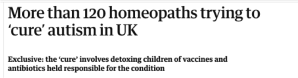
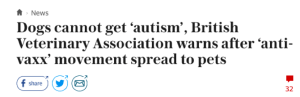
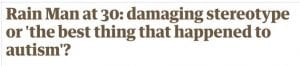
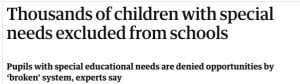
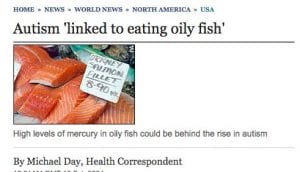
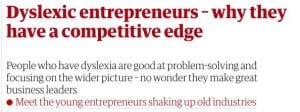
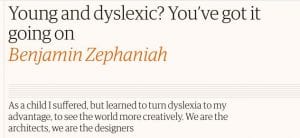
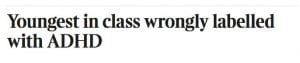
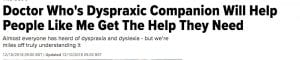
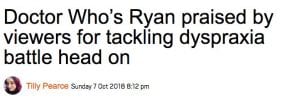
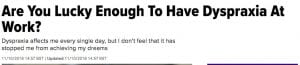
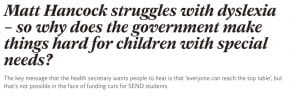
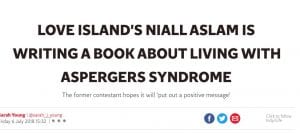
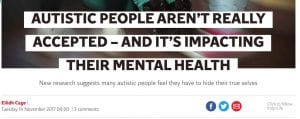
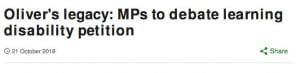
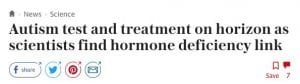
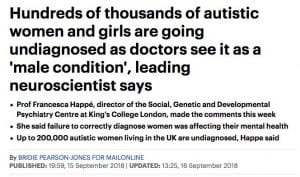
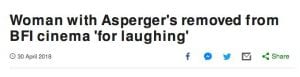
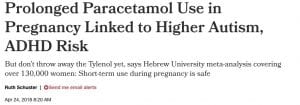
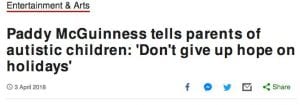
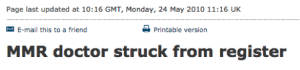
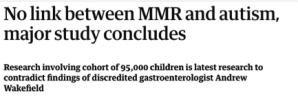
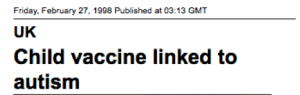
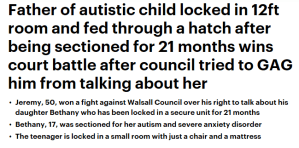
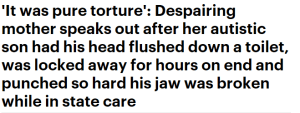
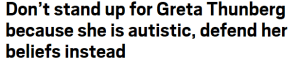
We visited the ‘Wellcome Library’ in London, completed our own research that looked at how neurodiversity has been portrayed in the past and by the media today. As a group we wanted to explore accessible activism and change/highlight negative portrayals and language still being used by the media and society such as the word ‘suffers’. The headlines displayed show current views on neurodiversity. The article in the frame is about me written by a local newspaper that described dyspraxia as a ‘Muscle Disorder Battler’.
When designing the exhibition I wanted to see if I could make an inclusive and welcoming space. I feel that accessible activism can take place in the form of being able to take ownership of a space that is unwelcoming and making it accessible for yourself and others.
During the research I tried to create art that would be accessible for others and myself to make. For my creative response I wanted to learn a new photographic process, printing cyanotype on glass. I am still learning the technique as it takes a long time to perfect. Each of the prints represents the subjects we spoke about during the research.
*neurodiversity, for example, dyslexia, dyspraxia, dyscalculia, dysgraphia, ADHD, ASD and autism….
My research question is…How should we interpret and curate the history of neurodiversity?
The purpose and aims of the study are:
- The research will start conversations through learning about neurodiversity history by exploring archives, newspaper articles and museum objects, reflecting on their own personal experiences, in comparison to, and informed by, archive items at the Wellcome Collection.
- How to tell an unbiased narrative through historical accounts and personal experiences.
- The terminology to use when talking about neurodiversity, to challenge prejudice views, to think about why there is a focus on ‘curing’ and how we portray neurodiversity in the media.
- Through the research I would hope to find out for museums and collections what’s important to the neurodiverse community when telling the history of labelling people with learning difficulties? Through the charitable, medical, educational and personal narratives.
The art-based research took place from Monday 15th October – Monday 26th November 2018
In total there were 8 participants who defined themselves as having a learning difficulty (neurodiversity) for example dyslexia, dyspraxia, dyscalculia, dysgraphia, ADHD, ASD and autism due to being experts of neurodiversity and can provide valuable knowledge.
We focused on the charitable, medical, educational, media and personal narratives. Each session was a different theme:
- Workshop 1: Monday 15th October
Introduction and looked at the history/language
- Workshop 2: Tuesday 23rd October
Visit Wellcome Collection library and archive
- Workshop 3: Monday 29th October
We looked at the media in newspapers, TV and film
- Workshop 4: Monday 5th November
Medical and educational
- Workshop 5: Monday 12th November
Charitable and protest
- Workshop 6: Monday 19th November
I left a session blank so that we could explore more on something that was of interest to the group: Accessible protest
- Workshop 7: Monday 29th November
Design the museum and evaluation
I’ve now been analysed the art-based research and these seem to be the emerging themes:
- Language used by the media
- Accessible activism and campaigning and protesting
- Changing people’s perceptions and especially on curing. Having a positive experience and an outlet against the negative
- Putting the history into context
- Testing
- Neurodiversity agency
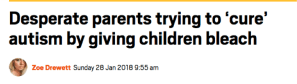
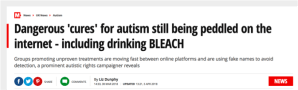
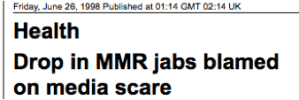
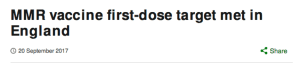
Here are a few of the journalist articles we looked at and some I’ve collected since the research:
































 Jess Starns